Ultimate Cornwall Travel Guide: What to Know & Where to Go
Cornwall sits on the far southwest coast of England and, as a local, it’s a place I never get tired of exploring. From wild coastal scenery and quiet hidden coves to lively surf towns and charming fishing villages, Cornwall has a way of pulling people back again and again.
Whether you’re planning your first visit or returning to explore more of the coastline, this Cornwall travel guide covers everything you need to know, from how to get there and the best time to visit, to where to stay, what to see, and how to plan your itinerary.

Why Visit Cornwall?
Cornwall is best known for its 422 miles of coastline, but there’s far more to the region than beaches alone. Visitors are drawn here for the combination of wild landscapes, relaxed seaside living, and rich local culture.
As someone who grew up here, what I love most is the variety. Cornwall works just as well for a laid-back coastal escape as it does for an epic road trip, making it one of the most best destinations in the UK!
Cornwall is perfect for:
- Beach lovers and surfers
- Coastal walkers and photographers
- Slow travellers who like to explore at their own pace
- Families, couples, and solo travellers

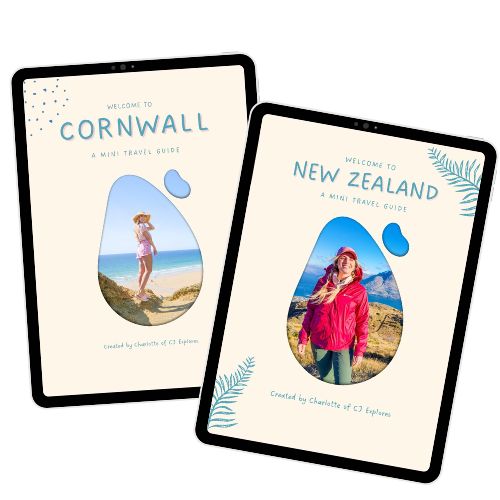
Cornwall Travel Guide PDF
Download straight to your phone!
Where Is Cornwall & How to Get There
Where Is Cornwall?
Cornwall is located at the very southwestern tip of England, bordered only by Devon. It’s surrounded by the Atlantic Ocean to the north and west, and the English Channel to the south.
It does take a little longer to reach than other UK destinations, but that’s also part of the appeal.
Getting to Cornwall by Car
As a local, I’d recommend using a car to explore Cornwall. Especially if you plan to visit multiple beaches or rural areas across the county.
- From London: approx. 4.5–5.5 hours (traffic dependent)
- Main route: M5 → A30
- Best option for flexibility and accessing quieter beaches
Getting to Cornwall by Train
Travelling to Cornwall by train is a great option if you don’t want to drive.
- Direct trains run from London to Penzance
- Journey time: approx. 5 hours+
- Major stations include Newquay, St Ives, and Truro
Trains offer beautiful coastal views on certain routes, but public transport within Cornwall can be limited once you arrive.
Flying to Cornwall (Newquay Airport)
Cornwall has a small airport located near Newquay.
- Newquay Airport
- Domestic flights from London and select UK cities
- Seasonal international routes
Flying can save time, but you may still want to hire a car once you arrive.
👉 Compare car rental prices for Cornwall here.

Best Time to Visit Cornwall
Cornwall is arguably a year-round destination, though tourism peaks in summer.
Summer (June–August)
This is Cornwall at its busiest. The weather is usually at its best, the sea is warm enough for swimming, and everything is open. It’s also when accommodation prices are highest and popular beaches get crowded.
- Warmest weather
- Best sea conditions for swimming
- Busiest period with higher accommodation prices
- Ideal for families and beach holidays


Spring & Autumn (March–May, Sept-Nov)
As a local, this is my favourite time to visit Cornwall. The roads are quieter, the beaches are calmer, and the weather is often still great. September in particular is ideal – the sea stays warm, but the crowds are gone.
- Fewer crowds
- Milder temperatures
- Great for coastal walks and sightseeing
- Often the best balance of weather and value
Winter (Dec–Feb)
Winter is quieter and more atmospheric. Some attractions reduce opening hours, but the coastline is dramatic and peaceful. It’s a lovely time for long coastal walks and cosy stays by the sea.
- Quieter beaches and towns
- Dramatic coastal scenery
- Limited opening hours for some attractions
- Ideal for walking, photography, and cosy coastal stays
| AVERAGE TEMP | SUMMER | WINTER |
| LOW | 10°C | 4°C |
| HIGH | 20°C | 9°C |
North Cornwall vs South Cornwall – Which Is Best?
If you’re planning a trip to Cornwall, one of the biggest decisions is whether to base yourself on the north coast or the south coast. Both are beautiful, but they feel quite different.
North Cornwall (places like Newquay, St Ives, Padstow, and Port Isaac) is known for:
– Wide, sandy beaches
– Strong surf and beach culture
– Dramatic cliffs and coastal walks
– A livelier, more energetic vibe
This side is perfect if you love big beaches, surfing, sunsets, and classic seaside towns.
South Cornwall (places like Fowey, Looe, Falmouth, and Mevagissey) feels:
– Calmer and more sheltered
– Slightly warmer in summer
– Softer coastline
– Less crowded
It’s ideal if you prefer relaxed coastal villages, calmer seas, and slower-paced days.
My local take:
If it’s your first time in Cornwall, I’d honestly recommend the north coast. The beaches are bigger, the scenery is more dramatic, and it’s easier to build a varied itinerary.

Where to Base Yourself in Cornwall (And Where to Stay)
Where you stay in Cornwall matters more than people expect. Distances can look short on a map, but narrow roads and summer traffic mean it’s best to choose a good base and explore nearby from there.
This Cornwall travel guide is based on local recommendations and the places I personally think are worth building your trip around.
Related Post: Cornwall Accommodation: The Best Places to Stay in Cornwall
Newquay
I grew up in Newquay, so I might be biased, but it really is one of the best places to base yourself in Cornwall, especially if you want to explore the north coast.
You’ve got multiple beaches within walking distance, great surf, coastal walks, and easy access to places like Crantock, Watergate Bay, and Holywell Bay. There’s also a huge range of accommodation here, from budget stays to beachfront hotels, which makes it a practical option for first-time visitors.
Best for: north coast exploring, beaches, café culture surfing, first-time trips
Related Post: Best Cafés in Newquay: Local Coffee Spots You’ll Actually Love
Where to stay in Newquay:
Here are some of our top recommendations in Newquay:
Excellent location:
Tolcarne Beach Apartments – Situated on Tolcarne beach, this accommodation offers incredible views alongside location.
Home comforts:
Hendra Holiday Park – Ultimate family-friendly stay located just outside of Newquay centre.
Boutique/Treat:
Fistral Hotel & Spa – Perfect for a couple getaway, this adult-only hotel comes with sweeping views of Fistral beach.
🎥 Want to see Newquay properly?
We’ve shared a full Newquay travel guide on YouTube, covering the best beaches, where to eat, and what to do.
St Ives
St Ives is a beautiful base if scenery and atmosphere are top of your list. It’s compact, walkable, and home to some of Cornwall’s most iconic beaches.
That said, it does get extremely busy in summer, so I’d recommend visiting outside peak season or staying just outside the town if you want something quieter.
Best for: couples, scenery, arts and culture
Where to stay in St Ives
St Ives has a wide mix of accommodation, from cosy self-catering stays tucked into the town to higher-end hotels with coastal views. These are a few solid options to consider:
Excellent location:
Harbour Hotel & Spa St Ives – Overlooking Porthminster Beach, this hotel is well placed for both the train station and the town centre.
Home comforts:
The Nook – A comfortable self-catering option
Boutique/Treat:
Carbis Bay Spa & Hotel – A more luxurious option just outside St Ives, known for its spa facilities and sweeping sea views.
🎥 WATCH: Perfect Day Trip to St Ives, Cornwall
Fowey
Fowey works well as a base on the south coast. It’s relaxed, walkable, and has easy access to calm beaches, boat trips, and nearby coastal paths.
It’s a great alternative to busier towns if you want somewhere charming without the crowds.
Best for: slower travel, food, south coast exploring
Where to Stay in Fowey
Fowey is a lovely place to stay if you want a slower pace and a more relaxed south coast feel. Accommodation here tends to be smaller and more characterful, which suits the town well. These are a few solid options depending on your travel style.
Excellent location:
Harbour Hotel Fowey – Centrally located, just a 5 minutes walk to the town centre.
Home comforts
Havener’s – Comfortable rooms above a popular harbour-side pub, ideal for those looking for a homely stay.
Boutique/ Treat
Trenython Manor – Located just outside Fowey, this is a great choice if you’re after more space and spa facilities.

Padstow
Padstow is a good base if you’re interested in food, cycling, and harbour towns. It’s well connected and works especially well for short stays or combining with the Camel Trail.
It’s popular for a reason, but like many places in Cornwall, timing makes a big difference.
Best for: food lovers, harbour towns, short breaks
Where to stay in Padstow
Padstow works best as a base if you enjoy harbour towns, coastal walks, and good food. Accommodation here fills up quickly in peak season, so it’s one of the places I’d recommend booking earlier than you think, especially in summer.
These are a few well-located options to consider, depending on your budget and travel style.
Excellent location
Harbour Hotel Padstow – Right on the harbour, this hotel is hard to beat for location. It’s ideal if you want to be close to restaurants, boat trips, and the Camel Trail.
Home comforts
The Old Mill House – Set in a renovated grade II listed building, this property is perfect for those wanting to escape the bustle of town.
Treat/Boutique
St Enodoc Hotel – Just across the estuary in Rock, this is a great choice if you want a more peaceful, high-end stay. It’s easy to reach Padstow by ferry.

P.S – Yes, Cornwall is very dog friendly ☺️
Looe
Looe is a really practical base if you’re entering Cornwall from the Devon border, especially if you’re travelling from Plymouth. It’s one of the easiest places to reach without committing to a long drive across the county on day one.
The town itself is compact and walkable, with a wide sandy beach, calm waters, and plenty of places to eat. It’s particularly popular with families and anyone wanting a relaxed south coast stay with good facilities close by.
From Looe, you’re well placed to explore the south coast, nearby coastal walks, and smaller villages without feeling cut off.
Best for: south coast exploring, families, trips from Devon or Plymouth
Where to Stay in Looe
Looe is a really practical place to stay, especially if you’re coming into Cornwall from Devon or Plymouth. It’s compact, walkable, and has everything you need close by, which makes it a good option for families and shorter stays on the south coast.
Accommodation here tends to book up quickly in summer, so it’s worth planning ahead.
Excellent location
The Portbyhan Hotel – Right on the harbour, this is one of the most central places to stay in Looe.
Home comforts
Fieldhead Hotel – A comfortable, family-run hotel slightly above the town, offering a quieter stay while still being within walking distance of the centre.
Treat/Boutique
Talland Bay Hotel – Located just outside Looe, this is a more peaceful, high-end option with sea views and a relaxed feel.
Tip: If you’re arriving from Devon or Plymouth, staying on the south coast in places like Looe can save a lot of driving time.
🎥 WATCH: LOOE & POLPERRO TRAVEL VIDEO
Best Beaches in Cornwall
Cornwall is known for its beaches and for a very good reason! With over 300 to choose from, you’ll find everything from long sandy surf beaches to quiet coves that feel completely untouched.

As a local, the biggest mistake I see visitors make is trying to squeeze too many beaches into one trip. Cornwall’s beaches are spread out, and choosing the right ones for your plans makes all the difference.
Whether you’re travelling with kids, chasing waves, or looking for somewhere quieter, I’ve put together a full guide to the best beaches in Cornwall, broken down by type, location, and accessibility.
👉 Read my complete guide to the best beaches in Cornwall here
In that guide, I cover:
- The best family-friendly beaches
- Secluded and quieter coves
- The top surf beaches
- Beaches with easy access and parking
- Local tips on tides and timing
My Favourite Cornwall Beaches (Local Picks)
People often ask me which beaches I’d choose if I only had a few days in Cornwall. These aren’t necessarily the biggest or busiest, just a few favourites I always come back to.
- Kynance Cove – It really is worth the hype!
- Polly Joke Beach – A quieter option near Newquay that still feels like a hidden gem.
- Little Fistral – A more relaxed alternative to Fistral, with great coastal views and a calmer feel.
- Watergate Bay – Wide, open, and perfect for long walks along the sand, especially at low tide.

Cornwall Itinerary Ideas (Local Travel Guide)
Cornwall works best when you slow things down a little. Distances might look short, but narrow roads and summer traffic mean it’s far more enjoyable to base yourself well and explore nearby.
These itineraries are how I’d suggest planning a trip – realistic, flexible, and focused on enjoying the coast rather than rushing between places.
2–3 Days in Cornwall (Long Weekend)
Best for: First-time visitors, short breaks
Base: St Ives
Day 1 – St Ives
Explore the art shops and boutiques around the harbour, walk around The Island for coastal views, then spend time at Porthmeor Beach. Finish the day with a visit to Tate St Ives and dinner in town.
Day 2 – Carbis Bay & the Coast
Head to Carbis Bay for a beach day, or take a Godrevy Island boat tour for seal spotting and coastal views. Make sure you leave time to squeeze in a classic Cornish pasty, I’d recommend St Ives bakery.
Day 3 – St Michael’s Mount (Optional)
If you have a third day, drive around 20 minutes to St Michael’s Mount, a tidal island with a medieval castle and one of Cornwall’s most iconic settings.
Local tip: Check tide times if you’re visiting St Michael’s Mount, walking across the causeway is part of the experience!
Related Post: The BEST Day Trip Itinerary to St Ives, Cornwall

5 Days in Cornwall
Best for: Families, beach lovers, surfing, first-time visitors
Base: Newquay
Day 1 – Newquay
Spend your first day settling into Newquay, exploring local beaches like Tolcarne or Towan beach, then take a coastal walk towards Fistral Beach for dinner options.
Day 2 – Watergate Bay & Mawgan Porth
Head north to Watergate Bay for a long beach walk and lunch overlooking the sea. If the weather’s good, continue along the coast path towards Mawgan Porth for quieter stretches of coastline.
Day 3 – Padstow
Take a day trip to Padstow, one of Cornwall’s most popular harbour towns. Jump on the ferry across to Rock, or hire bikes and cycle part of the Camel Trail.
Day 4 – Perranporth & St Agnes
Drive down the coast to Perranporth for a wide sandy beach, dunes and ocean-view cafés. Continue on to St Agnes, a charming village with a surf school and some brilliant coastal walks.
Day 5 – Slow Morning or Surf Day
Use your final day to slow things down. Grab breakfast at one of Newquay’s many cafés before booking in a surf lesson or a relaxed coastal walk before heading home.
Local tip: Staying in Newquay gives you easy access to multiple beaches without long drives.


Top Things to Do in Cornwall
There’s so much to do in Cornwall, whether you’re visiting for a few days or staying longer. Below is a quick overview of some of the main things to do, from outdoor experiences to iconic attractions, to help you shape your trip.
Explore the Coast Path
Walking along the South West Coast Path is one of the best ways to experience Cornwall. Even short sections give you dramatic views, hidden beaches, and a real sense of how wild the coastline can be.


Spend Time at the Beach
This sounds obvious, but Cornwall’s beaches are the main event. Whether it’s swimming, surfing, rock pooling, or just sitting with a coffee watching the waves, beach time here never really gets old.
Related Post: Best Beaches in Cornwall (By Type & Location) | Local Guide
Surf or Take a Lesson
Cornwall is the surf capital of the UK, with Newquay, Watergate Bay, and Perranporth being some of the most popular spots. Even if you’ve never surfed before, there are plenty of surf schools offering beginner-friendly lessons.
Visit Iconic Attractions
If you want to mix beaches with sightseeing, Cornwall has a few standout attractions that are worth planning around:
- Eden Project – A world-famous eco attraction with giant biomes and gardens
- St Michael’s Mount – A historic tidal island with a castle and gardens
- Minack Theatre – An open-air theatre carved into the cliffs
- Tintagel Castle – medieval fortification steeped in legend and mystery
- Bodmin Jail – 18th century prison offering award-winning tours


Explore Harbour Towns
Spending time in Cornwall’s harbour towns is a great way to slow things down. Places like Padstow, Fowey, and St Ives are ideal for wandering, eating well, and watching life on the water. I’d also highly recommend Charlestown, a charming Grade II listed harbour featured in TV & films.
Getting Around Cornwall
Getting around Cornwall is fairly straightforward once you know what to expect but it’s a little different to travelling elsewhere in the UK. Distances can be short, but journeys often take longer than planned.
Renting a car is one of the easiest way to explore Cornwall, especially if you want to reach hidden beaches and quieter coastal villages.
We always use DiscoverCars to compare prices across different rental companies and find the best deals.
👉 Compare car rental prices for Cornwall here.


Getting Around Cornwall by Car
If you can, hiring a car or driving your own is the easiest way to explore Cornwall. Many of the best beaches, coastal walks, and smaller villages aren’t well connected by public transport.
As a local, I’d always recommend a car if you want flexibility, especially if you’re planning to explore more than one area.
A few things to know:
- Roads can be narrow and winding, especially in rural areas
- Summer traffic can slow things down significantly
- Allow extra time for coastal drives, even short ones
- Parking near popular beaches fills up quickly in peak season
That said, having a car makes it much easier to reach quieter spots and explore at your own pace.
Getting Around Cornwall by Train
Cornwall is connected by train, and some routes are surprisingly scenic.
- Main line trains run through towns like Newquay, St Ives, and Truro
- The branch line to St Ives is especially beautiful
- Trains are best for travelling between larger towns, not beaches
If you’re staying in a town centre and don’t plan to explore too widely, trains can work well. However, once you’re off the main routes, options become limited.

Getting Around Cornwall by Bus
Buses can be useful in certain areas, but they’re best treated as a supplement, not your main transport.
- Good connections between larger towns
- Limited services to remote beaches and villages
- Timetables can be infrequent outside summer
They’re handy for short hops, but not ideal if you’re short on time.
Visiting Cornwall Without a Car
It is possible to visit Cornwall without a car, especially if you base yourself somewhere walkable like St Ives or Newquay.
If you’re travelling car-free:
- Choose one main base
- Focus on nearby beaches and coastal walks
- Use trains and the occasional taxi for day trips
This works best for shorter trips or slower travel styles.
Local Tips for Getting Around
- Cornwall roads are slower than they look on a map
- Driving times can increase significantly during summer and school holidays, especially on main routes and near popular beaches
- Always check parking restrictions near beaches
- If you’re unsure, stick to exploring one coast rather than crossing the county
Cornwall Top Tips
- Enjoy Spontaneity – Cornwall is best enjoyed at a slower pace, and plans often change with the weather.
- Check tide times – if you’re visiting beaches or planning coastal walks, it can completely change access and conditions.
- Book accommodation and restaurants early in summer – especially in places like St Ives, Padstow, and Newquay.
- Allow extra travel time – particularly during school holidays when roads can get busy.
- Be flexible – If one beach is busy, there’s almost always another great option nearby.
- Carry cash – some parking meters accept coins only, particularly in more rural areas.
Thank you
Hi adventurers, thanks for reading this Cornwall travel guide.
Please know this post may contain affiliate links. When making a purchase through one of our links, we earn a small commission at no extra cost to you and it helps us keep this site running. Thank you for your support ♥️
Related Posts

Best Cafés in Newquay: Local Coffee Spots You’ll Actually Love

The BEST Day Trip Itinerary to St Ives, Cornwall

The Most Picturesque Villages in Cornwall You Have to Visit!
PDF TRAVEL GUIDES
Includes epic itineraries, must know tips, expert advice & personal recommendations.